
More Than 1,200 Faith Leaders Train as Poll Chaplains to Keep US Midterm Voting Peaceful
October 21, 2026 · admin
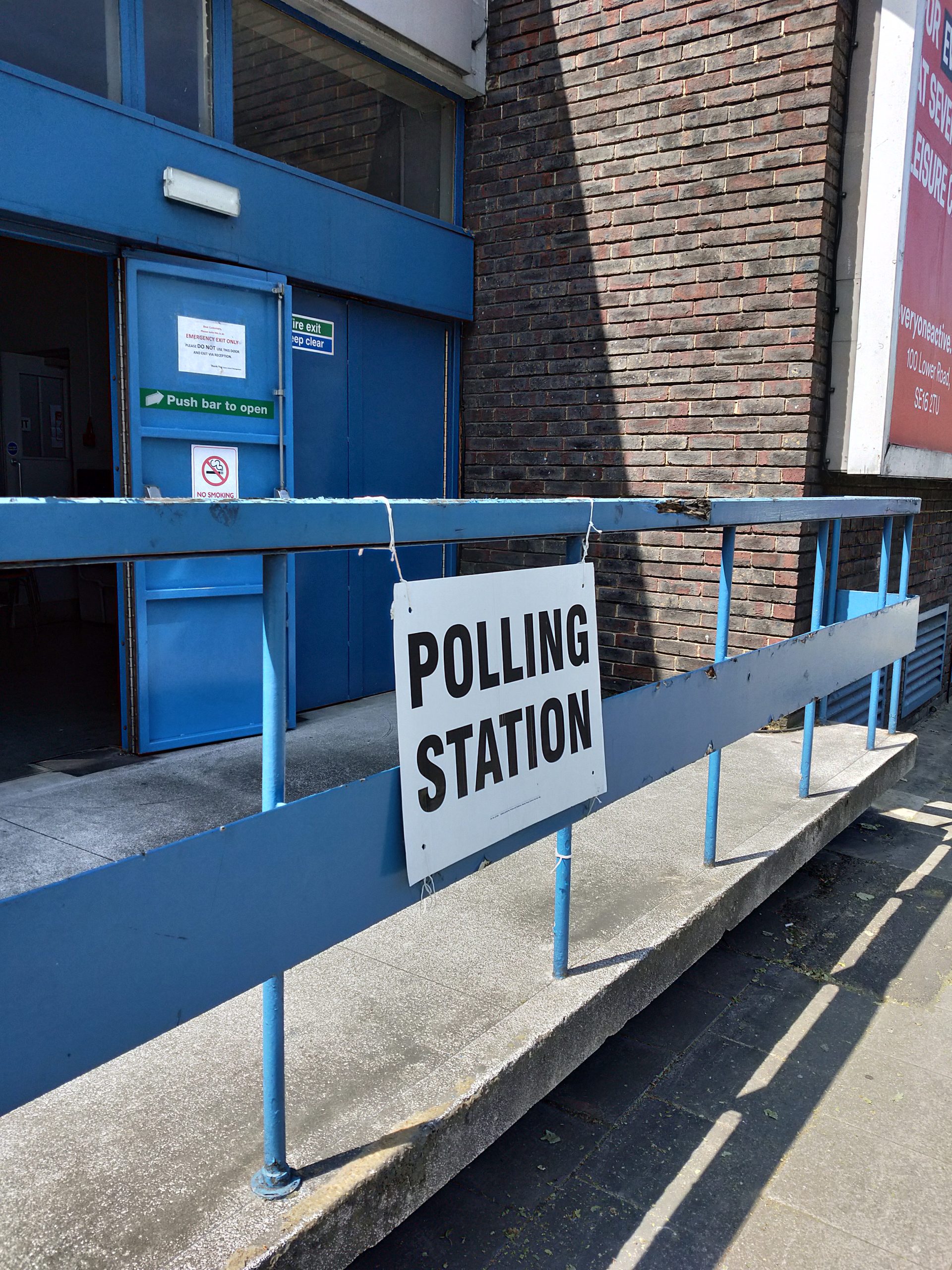
More than 1,200 faith leaders and volunteers across the United States are being trained as poll chaplains and peacekeepers ahead of the midterm elections on November 3, in one of the largest interfaith civic mobilisations of the season. The effort is being coordinated by Faiths United in Saving Democracy, a nonpartisan coalition that plans to deploy the volunteers across nine states.
On election day, the chaplains — Christian ministers, rabbis, imams, Quakers and Buddhist leaders among them — will position themselves outside polling stations rather than inside them. Their role is pastoral rather than political: to greet voters warmly, answer basic questions, offer a reassuring presence and, if tensions flare, to help de-escalate confrontations before they grow into something worse.
Training for calm in a tense season
Organisers say the programme responds to a real anxiety. Many eligible voters, they argue, may be discouraged from voting by fears of political violence or by concerns about immigration enforcement activity near polling places. To prepare, participants are receiving training in conflict resolution and in immigrant rights, so they can respond helpfully and lawfully if a voter feels intimidated or confused about their entitlements.
The coalition stresses that its chaplains serve voters of every party and none. They are not election officials, campaign workers or observers acting for any candidate; their mandate is simply to protect the dignity and safety of the act of voting itself.
Faith communities as civic peacekeepers
The initiative reflects a long tradition of religious communities stepping into civic space at moments of strain — providing food, shelter, translation and moral witness rather than partisan advocacy. Supporters say the sight of trusted local faith figures outside a polling station can lower the temperature, remind everyone present of shared values, and make it easier for first-time or vulnerable voters to stay in line.
Whether the deployment remains a quiet success — the best outcome, organisers admit, is a day on which nothing dramatic happens — will only be known after November 3. But the training itself sends a signal: across deep religious differences, these communities agree that a peaceful, accessible election is worth showing up for.
Source: Religion Media Centre
Leave a Reply